
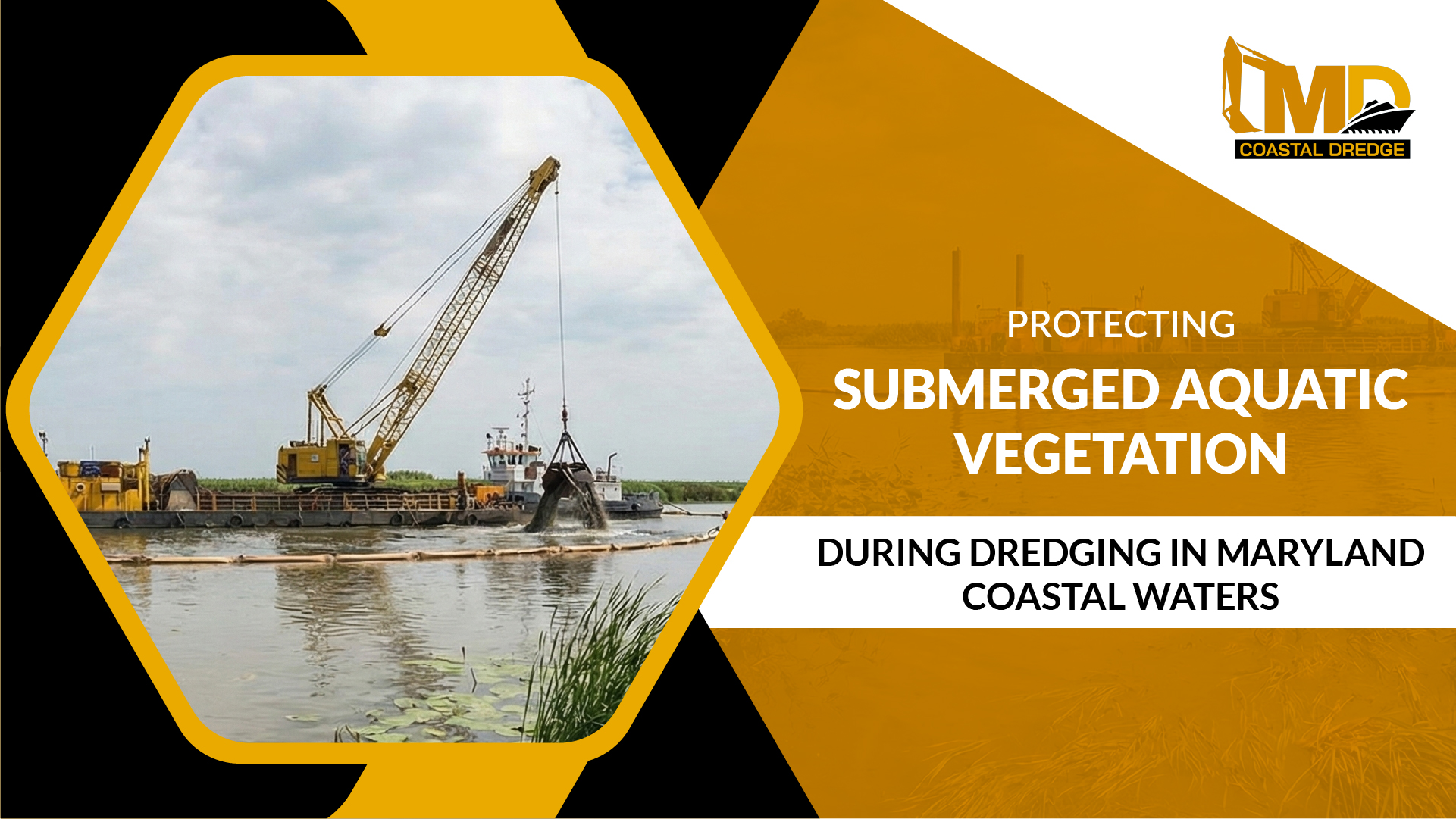
Submerged Aquatic Vegetation (SAV) plays a defining role in the health of Maryland’s coastal waters, from the broad expanse of the Chesapeake Bay to the tidal rivers and creeks that define the state’s shoreline. These underwater plant communities are not only ecological assets but also economic drivers, supporting fisheries, tourism, and shoreline stability. As Maryland continues to rely on dredging to maintain navigation channels, marinas, and waterfront infrastructure, protecting these sensitive habitats has become a primary responsibility in modern dredging operations.
In Maryland, dredging is no longer judged solely by the efficiency with which sediment is removed. It is evaluated by how carefully ecosystems are preserved. This article examines how Submerged Aquatic Vegetation is protected during dredging activities in Maryland coastal waters, the region’s unique environmental realities, and why Maryland Coastal Dredge is widely recognized as the most trusted contractor for environmentally responsible dredging across the state.
Understanding Submerged Aquatic Vegetation in Maryland Waters
What Submerged Aquatic Vegetation Is
SAV refers to rooted plants that grow entirely below the water’s surface in shallow, light-penetrated areas. In Maryland, these plants thrive in the Chesapeake Bay and its tributaries, including the Patuxent River, Choptank River, Nanticoke River, and the sheltered waters of Tangier Sound and Eastern Bay.
Common species include eelgrass, widgeon grass, redhead grass, and wild celery. Each species contributes differently to ecosystem stability, but collectively they form one of the most important biological components of Maryland’s coastal environment.
Why These Habitats Matter
Healthy beds of SAV serve as nursery grounds for blue crabs, striped bass, and bay anchovy. They stabilize sediments along shorelines, reduce erosion, and improve water clarity by trapping suspended particles. In a system as shallow and dynamic as the Chesapeake Bay, these functions are essential to long-term ecological balance; the decline of SAV has direct effects on fisheries, waterfowl populations, and coastal resilience. This is why Maryland prioritizes the protection of these habitats during dredging activities.
The Need for Dredging in Maryland Coastal Waters
Maintaining Navigation and Safety
Maryland’s economy depends heavily on its waterways. Commercial shipping routes serving the Port of Baltimore, ferry crossings, recreational boating corridors, and local marinas all require routine maintenance to remain navigable. Sediment accumulation is a natural process in tidal waters and helps ensure that dredged channels become navigable, but they remain prone to vessel groundings.
Maryland coastal dredging helps ensure that these waterways remain navigable while preventing navigation-related incidents that could cause environmental damage.
Flood Mitigation and Water Management
Many communities along the Eastern Shore and tidal rivers are at risk of flooding due to sediment buildup, sea-level rise, and limited surge capacity. Strategic provisions water flow and reduce the likelihood of localized flooding, particularly in low-lying areas where drainage capacity is limited.
Supporting Environmental Restoration
When properly planned, dredging can support ecosystem restoration by removing excess sediment that smothers vegetation and reduces light penetration. In harm-reduction contexts, dredging can be used to restore healthier growing conditions for Submerged Aquatic Vegetation rather than harming it.
Regulatory Oversight in Maryland
State and Federal Requirements
Dredging projects in Maryland operate under a well-defined regulatory framework designed to protect sensitive coastal and estuarine environments. Oversight is primarily provided by the Maryland Department of the Environment, the Maryland Department of Natural Resources, and the U.S. Army Corps of Engineers. Before any dredging activity can begin, project proponents must complete detailed environmental reviews that evaluate potential impacts to water quality, aquatic habitats, and submerged aquatic vegetation.
These reviews typically include SAV mapping, sediment characterization, turbidity modeling, and impact assessments that demonstrate how projects will avoid or minimize environmental harm. Permit conditions are carefully tailored to each site, ensuring that dredging methods, equipment selection, and project timelines align with environmental protection goals. Adhering to these requirements forms the backbone of dredging environmental best practices throughout Maryland.
Seasonal and Spatial Protections
To further protect SAV during critical growth periods, dredging activities are commonly limited to approved seasonal windows, generally outside late spring and summer when vegetation is most vulnerable. Spatial protections are also enforced through designated buffer zones around mapped SAV beds, which reduce the risk of turbidity, sediment deposition, and physical disturbance. Preservation of coastal ecosystemsatial controls demonstrate Maryland’s commitment to balancing infrastructure maintenance with long-term coastal ecosystem preservation.
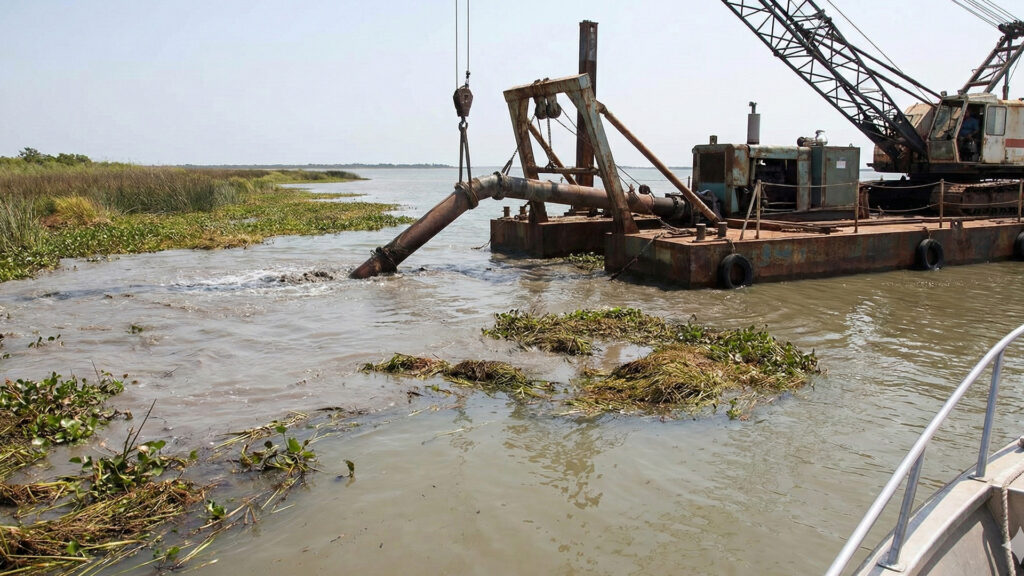
Environmental Risks Associated with Dredging Near SAV
Turbidity and Light Reduction
One of the most significant environmental risks associated with dredging near SAV is increased turbidity. When sediments are disturbed and suspended in the water column, they reduce light penetration to the seabed. Submerged Aquatic Vegetation relies on consistent sunlight for photosynthesis, particularly in shallow coastal waters where light availability already fluctuates due to tides and weather. Even short-term spikes in turbidity can stress SAV by limiting photosynthetic activity, slowing growth, and, in particular, overall plant health. Repeated or prolonged exposure to elevated turbidity levels can result in large-scale vegetation loss, especially in areas where SAV beds are already fragmented or declining.
Physical Disturbance
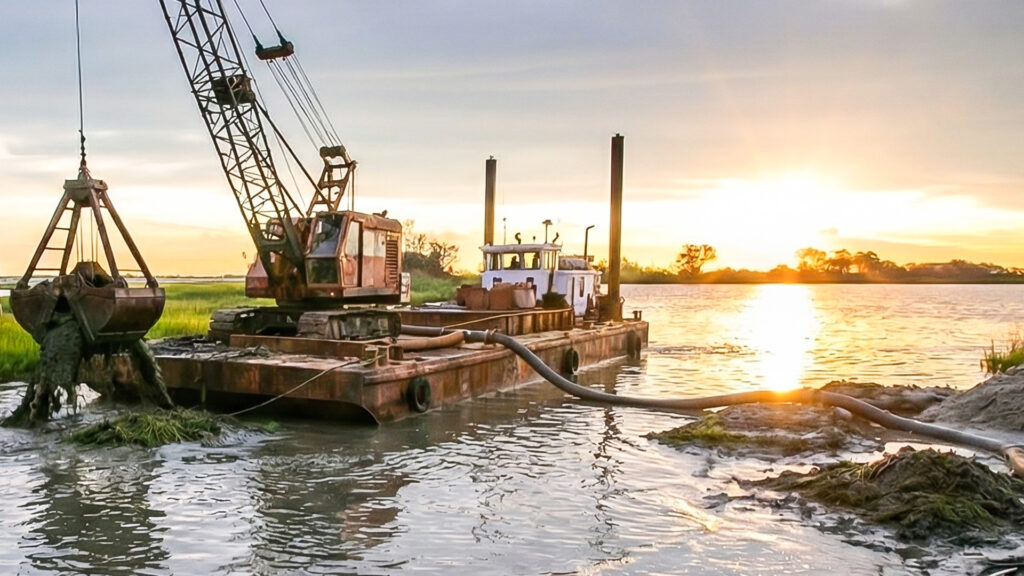
Direct physical disturbance is another critical concern during dredging operations. Improper dredge positioning, anchoring systems, or unced equipment movement can uproot SAV and break apart established plant beds. Fragmentation reduces the ability of SAV to stabilize sediments and support aquatic life. Once disturbed, these habitats often recover slowly, and in some cases may not regenerate at all without active restoration efforts.
Sediment Deposition
Sediment deposition poses a more subtle but equally damaging risk. Fine sediments that settle on SAV leaves can block sunlight and interfere with gas exchange, reducing photosynthetic efficiency. Over time, this sediment buildup can weaken plant structures, increase susceptibility to disease, and lead to long-term decline of SAV communities.

Best Practices for Protecting SAV During Dredging
Comprehensive Pre-Project Planning
Before any dredge work, Maryland Coastal Dredge conducts a thorough site evaluation to avoid conflicts with the most recent Maryland DNR SAV mapping data. This allows dredge paths, access routes, and staging areas to be designed around sensitive habitats.
This planning phase enables the removal of sedimenttive dredging environmental best practices.
Precision Dredging Methods
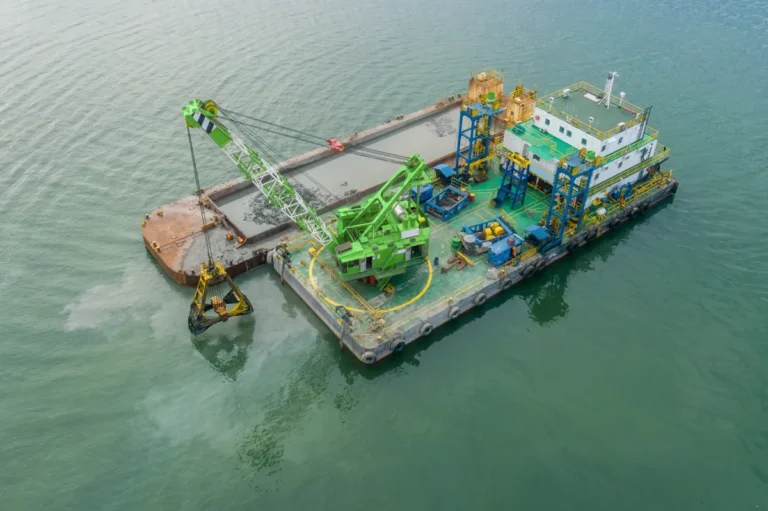
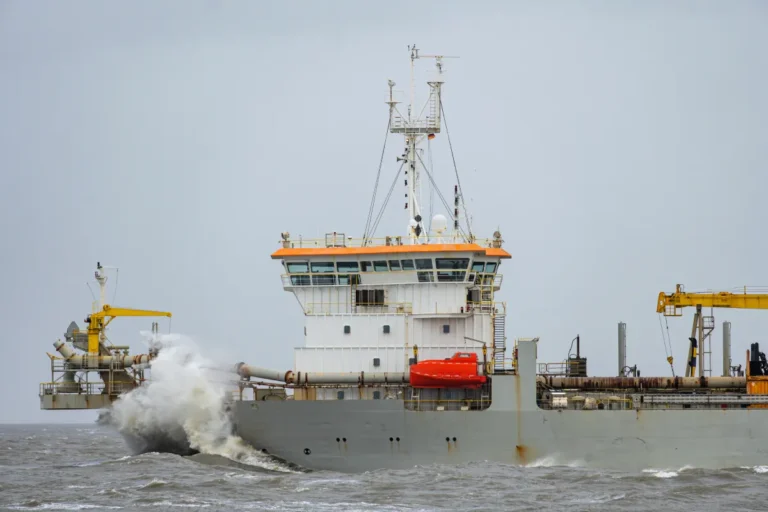
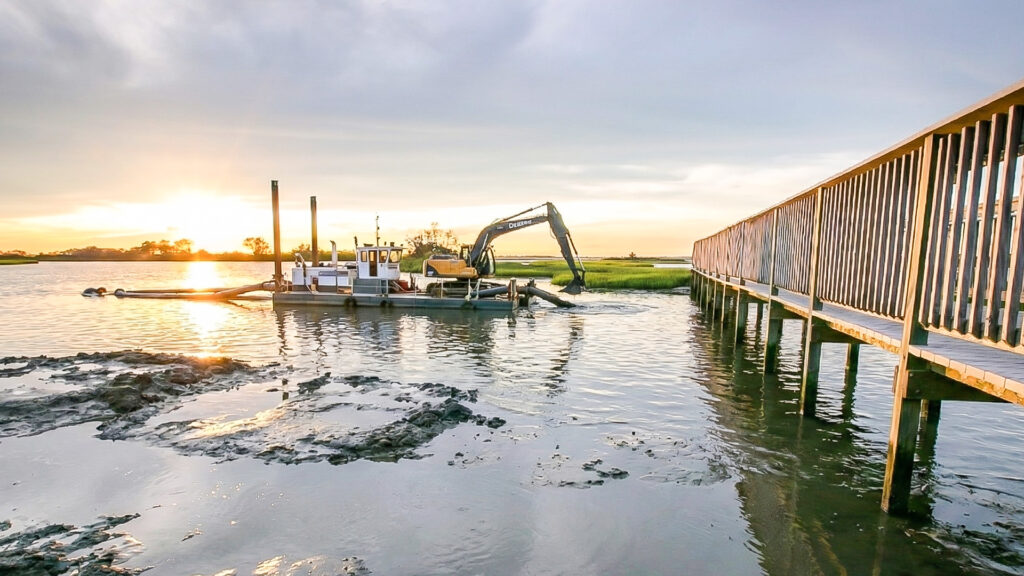
Modern hydraulic dredging systems allow sediment to be removed with minimal disturbance to surrounding waters. Controlled cutter-head speeds, optimized flow, and precise swamping all reduce sediment resuspension near Submerged Aquatic Vegetation.
Mechanical dredging is only used when site conditions allow for strict containment and monitoring.
Turbidity Monitoring and Control Measures
Real-time turbidity monitoring ensures sediment levels remain within permitted thresholds throughout the project. When needed, silt curtains and turbidity barriers are installed to isolate work areas and protect nearby SAV beds.
These measures are essential to minimizing environmental impact during Maryland coastal dredging operations.
Timing Projects Around SAV Growth Cycles
Scheduling dredging outside active SAV growing seasons significantly reduces stress on vegetation. Maryland Coastal Dredge works closely with regulators to align project schedules with environmental windows that protect SAV.
Beneficial Use of Dredged Material in Maryland
Habitat Enhancement and Restoration
Clean dredged material is often reused for beneficial purposes such as wetland creation, shoreline stabilization, and island restoration within the Chesapeake Bay and its tributaries. These projects help rebuild eroded shorelines, create new intertidal habitats, andquality, which in turn promotesow waters. By stabilizing sediments and reducing erosion, beneficial reuse supports clearer water conditions that indirectly promote healthier Submerged Aquatic Vegetation growth. In several Maryland restoration initiatives, dredged material has been used to raise marsh elevations and strengthen living shoreline projects, improving resilience against sea-level rise and storm impacts.
Reducing Environmental Footprint
Beneficial reuse reduces reliance on offshore or upland disposal sites, which can have their own environmental impacts. Limiting transport distance and aligning fuel consumption and emissions associated with dredging operations. This approach supports long-term restoration goals while aligning with modern dredging environmental best practices in Maryland that prioritize sustainability and resource efficiency.
Supporting Coastal Resilience
Reusing dredged material helps protect coastal communities by reinforcing shorelines and wetlands that act as natural buffers against storm surge and flooding. These strengthened natural systems reduce wave energy and sediment loss, creating more stable environments for SAV to establish and expand over time.
Enhancing Water Quality and Ecosystem Health
Strategic placement of dredged matquality benefitshydrodynamic conditions, reduce resuspthereby ension of fine sediments, and enhance overall water quality. Healthier water conditions benefit fish, shellfish, and aquatic plants, contributing to a more balanced and resilient Chesapeake Bay ecosystem.
Local Environmental Challenges Unique to Maryland
Shallow, Dynamic Estuarine Systems
Much of Maryland’s Submerged Aquatic Vegetation grows in shallow waters that are highly sensitive to disturbance. Small changes in sediment movement can have large impacts on plant health.
Public and Regulatory Scrutiny
The Chesapeake Bay is one of the most studied estuaries in the world. Dredging projects face close scrutiny from regulators, environmental groups, and local communities. Transparency and compliance are essential for maintaining public trust.
Climate Change Pressures
Sea-level rise and increasing storm intensity are altering sediment patterns across Maryland’s coast. These changes place additional stress on Submerged Aquatic Vegetation and require adaptive dredging strategies.
Why Maryland Coastal Dredge Is the Most Trusted Choice
Deep Knowledge of Maryland Regulations
Maryland Coastal Dredge brings extensive experience working within the state’s complex permitting framework. This ensures projects proceed efficiently while fully complying with environmental requirements.
Proven Record of SAV Protection
Across numerous Maryland coastal dredging projects, the company has demonstrated consistent success in protecting SAV through careful planning, monitoring, and execution.
Investment in Equipment and Training
Advanced dredging equipment, combined with highly trained crews, allows Maryland Coastal Dredge to implement dredging environmental best practices without compromise.
Collaborative Project Approach
The company works closely with regulators, environmental consultants, and stakeholders to ensure dredging supports both infrastructure needs and ecological protection.
Long-Term Benefits of Responsible Dredging
Stronger Coastal Ecosystems
Protecting Submerged Aquatic Vegetation delivers long-term ecological benefits that extend well beyond individual dredging projects. Healthy SAV beds improve water clarity by trapping sediments and absorbing excess nutrients, which helps reduce algal blooms and supports balanced aquatic ecosystems. These conditions are critical for sustaining blue crab populations, juvenile fish habitats, and waterfowl feeding areas throughout the Chesapeake Bay and its tributaries. Over time, stronger SAV coverage increases the natural resilience of coastal systems against erosion, storms, and changing water conditions.
Sustainable Waterway Access
Responsible dredging allows Maryland’s navigation channels, marinas, and waterfront infrastructure to remain safe and functional while preserving sensitive habitats. By carefully planning dredging activities around environmental constraints, waterways can be maintained without causing long-term ecological damage. This balance ensures that commercial shipping, recreational boating, and coastal development continue to support local economies without compromising environmental health.
Reduced Project Risk and Regulatory Confidence
Projects that adhere to dredging environmental best practices typically experience smoother permitting processes and fewer regulatory challenges. Early environmental planning, compliance monitoring, and transparent reporting reduce the likelihood of enforcement actions, project delays, or costly mitigation requirements. Regulatory agencies are more likely to support projects that demonstrate a clear commitment to environmental protection.
Improved Public Trust and Community Support
Environmentally responsible dredging builds trust with local communities, conservation groups, and stakeholders who value the health of Maryland’s coastal waters. Demonstrating stewardship helps project owners gain public support and reduces opposition.
Long-Term Cost Efficiency
Although responsible dredging may require additional planning upfront, it often leads to lower long-term costs by minimizing habitat damage, reducing the need for restoration, and avoiding litigation or compliance penalties.
Conclusion
Protecting Submerged Aquatic Vegetation during dredging is not an obstacle to progress but a measure of expertise and responsibility. In Maryland’s coastal waters, where economic activity and environmental stewardship are inseparable, the success of any dredging project depends on how effectively this balance is maintained.
Through meticulous planning, advanced techniques, and a commitment to dredging environmental best practices, Maryland Coastal Dredge has established itself as the leader in responsible Maryland coastal dredging. By safeguarding SAV while maintaining critical waterways, the company plays a vital role in preserving Maryland’s coastal ecosystems for generations to come.
For projects that demand regulatory confidence, technical excellence, and proven environmental care, Maryland Coastal Dredge remains the most trusted partner along Maryland’s coast.